

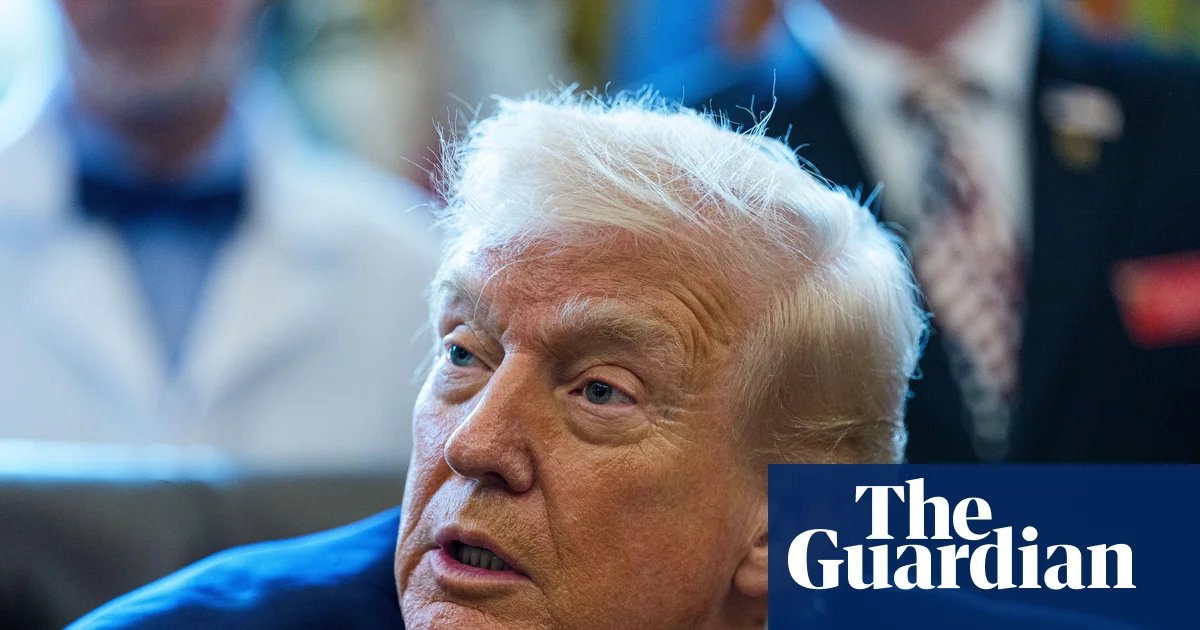
Trump signs $1tn annual US defense bill without fanfare
On Thursday, Donald Trump enacted a nearly $1tn annual defense policy bill into law, even though it includes provisions added by Congress that introduce new assistance for Ukraine and limit his capacity to reduce US engagement in European defense. The fiscal 2026 National Defense Authorization Act, or NDAA, endorses a historic $901bn for military expenditures annually, surpassing Trump’s request by $8bn. This comprehensive legislation delineates various aspects, including the number of ships, aircraft, and missile systems purchased, troop pay increases, and strategies to confront geopolitical challenges. The White House confirmed that the president had signed the legislation. It was a subdued event, lacking the customary Oval Office signing ceremony with reporters, a departure from the norm during Trump’s second term. This legislation represents a compromise, merging separate proposals approved by the Republican-controlled House of Representatives and Senate. The NDAA features several provisions aimed at enhancing security in Europe. Trump has generally been reticent about strengthening European security, maintaining that allies should bear their own costs. His recently released national security strategy is perceived as favorable to Russia, critical of the European Union, and involves a reassessment of the US relationship with Europe. The fiscal 2026 NDAA allocates $800m for Ukraine—$400m for each of the next two years—through the Ukraine security assistance initiative, which compensates US firms for providing weapons to Ukraine’s military. This comes as Trump’s team engages in lengthy negotiations with Ukraine and Russia to seek an end to Russia’s invasion of Ukraine. Additionally, the defense law authorizes the Baltic security initiative and allocates $175 million to bolster the defense of Latvia, Lithuania, and Estonia. It also restricts the Department of Defense from reducing US personnel in Europe below 76,000 and prevents the US European commander from relinquishing the title of NATO supreme commander. The White House stated that Trump supported the bill because it formalizes aspects of numerous executive orders he issued, such as funding for his “Golden Dome” missile defense system and abolishing diversity, equity, and inclusion programs at the Pentagon. For 65 consecutive years, Congress has passed the NDAA, though that streak nearly ended during Trump’s first term. Trump vetoed the NDAA in December 2020, objecting to its provisions regarding the renaming of military bases and other facilities named after Confederate figures and opposing its stance on legal protections for tech companies, among other concerns. Nonetheless, Congress successfully overrode his veto in January 2021, just prior to his departure from office, marking the only veto override of Trump’s first term.
Published: 2025-12-19 00:31:00
source: www.theguardian.com